
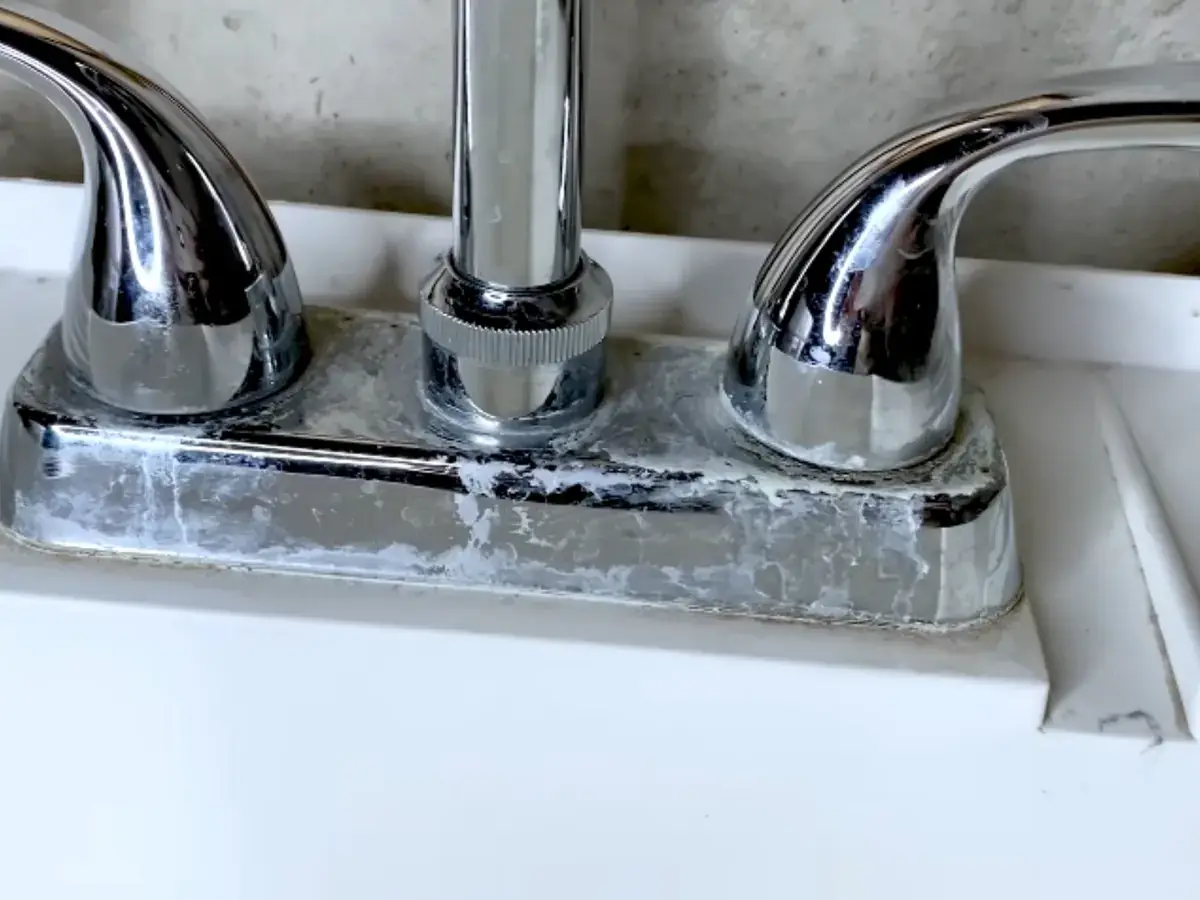
Start with a test, not a sales pitch
The right equipment depends on what is in your water. Scale on faucets and a white film on glassware suggest hardness. A rotten egg smell suggests sulfur. A metallic taste or orange stains point to iron. Chlorine taste is common in municipal systems. A lab test or a certified home test kit tells you which one applies.
The Post Falls Water Division publishes an annual water quality report, and you can request it by calling (208) 777-9857. That report shows what the City measured in its system, but it does not tell you what happens inside your pipes. A test at your own tap, taken after the water has run for a minute, is the better guide.
Which treatment solves which problem
A single device rarely fixes everything. This table shows how we match equipment to a confirmed problem.
| Problem | Typical solution | Notes |
|---|---|---|
| Hard water scale | Salt-based softener or a salt-free conditioner | Softeners remove hardness minerals, conditioners change how scale forms |
| Chlorine taste and odor | Carbon filter, whole-house or at the sink | Replace cartridges on schedule |
| Iron and sulfur | Oxidizing filter or a specific iron filter | Needs a lab test for the right size |
| Dissolved solids and taste | Reverse osmosis at the kitchen sink | Produces drinking water, not whole-house water |
| Sediment | Sediment pre-filter | Protects fixtures and other equipment |
Softener or filter: what each does
A softener exchanges calcium and magnesium in the water for sodium or potassium, which prevents scale in pipes and heaters. A filter removes particles, tastes or chemicals as water passes through. They solve different problems. A softener will not fix a taste problem, and a carbon filter will not stop scale.
Some homes need both, installed in the right order. The filter normally goes first so the softener resin is protected. We install a bypass valve so you can isolate the equipment for service, and we run the drain line to code. Softener brine discharge rules vary, so we confirm the local requirements before installation.
Reverse osmosis at the kitchen sink
A reverse osmosis system sits under the sink and sends water through a membrane that removes many dissolved substances. It produces a small flow for drinking and cooking at a separate faucet. It wastes some water in the process and needs filter changes on a schedule.
For many households it is the simplest way to improve drinking water without treating the whole house. If you are also dealing with scale on fixtures or heater life, a softener is the better first step. We explain the difference during a quick call. Our blog covers a longer comparison, and the water heater replacement page explains how hard water can shorten a heater's life.
Where the equipment goes and what it needs
A whole-house system installs on the main water line after the shutoff and before the water heater. It needs a floor drain or standpipe for backwash or regeneration and a power outlet for the control head. A garage, a basement or a utility room with a drain suits most homes.
Outdoor hose bibs are usually fed ahead of the softener so that you do not waste treated water on the lawn. We install a hard-water bypass for outdoor lines and show you how the bypass valve works. Salt storage needs a dry, accessible place, and bags weigh forty pounds, which matters if the unit is in a tight spot.
Maintenance you should expect
Salt-based softeners need salt refills and an occasional resin tank clean. Filters need cartridge changes at intervals set by the manufacturer. Reverse osmosis systems need pre-filter and membrane changes. Skipping them reduces performance and can let contaminants through.
We set a calendar reminder with you at installation and show you where each part lives. If a system stops working, call us before replacing it, since many issues come down to a stuck valve or a clogged drain line, as covered on our drain cleaning page.
Thinking about water treatment?
Call us and describe what you see, taste or smell. We will recommend a test.
What affects treatment pricing
We give a clear price after we know what the test shows.
Insurance does not cover water treatment equipment. Call (208) 679-8357 for a clear price after we know your goals. When you compare products, look for NSF/ANSI 44 for softeners and NSF/ANSI 58 for reverse osmosis, and installation follows the Uniform Plumbing Code (UPC).
Water treatment questions from Post Falls homeowners
Test your tap to be sure. Scale on fixtures, white film on glass and spots on dishes are common signs, but a test gives the answer.
Call the Post Falls Water Division at (208) 777-9857 and ask for the annual report. It shows system-wide results.
Only if your test shows more than one problem. We install them in the proper order when needed.
They work differently. They change how scale forms, while softeners remove hardness minerals. Which suits you depends on your goals.
Yes, if the unit is suitable. We install bypass valves and drains to code. See plumbing installation for permit details.