When a clogged drain is an emergency
Most clogs are a nuisance. A few are not. Sewage coming up through a floor drain or tub, several fixtures gurgling at once, or a toilet that fills the bowl and keeps rising all point to a blockage in the main line. Every flush or load of laundry then adds more water to the problem.
While you wait for the plumber, keep the washing machine, dishwasher and showers off and stop flushing. Pour no chemical drain opener down the line, because the caustic liquid sits in standing water and creates a hazard for the technician and a risk of damaged pipe. Move rugs and boxes away from the lowest drain in the house.
- Stop all water use until the line is cleared.
- Locate the cleanout if you know where it is, but leave the cap on.
- Photograph any water on floors for your insurance records.
- Keep children and pets out of any area where sewage has surfaced.
Kitchen sink clogs in Post Falls homes
The kitchen sink is the most common call we take. Cooking grease cools in the trap and the horizontal run behind the wall, collects rice, coffee grounds and eggshell, and slowly closes the pipe down until the sink drains in a lazy spiral. A garbage disposal makes it worse because it grinds food small enough to travel farther down the line before it settles.
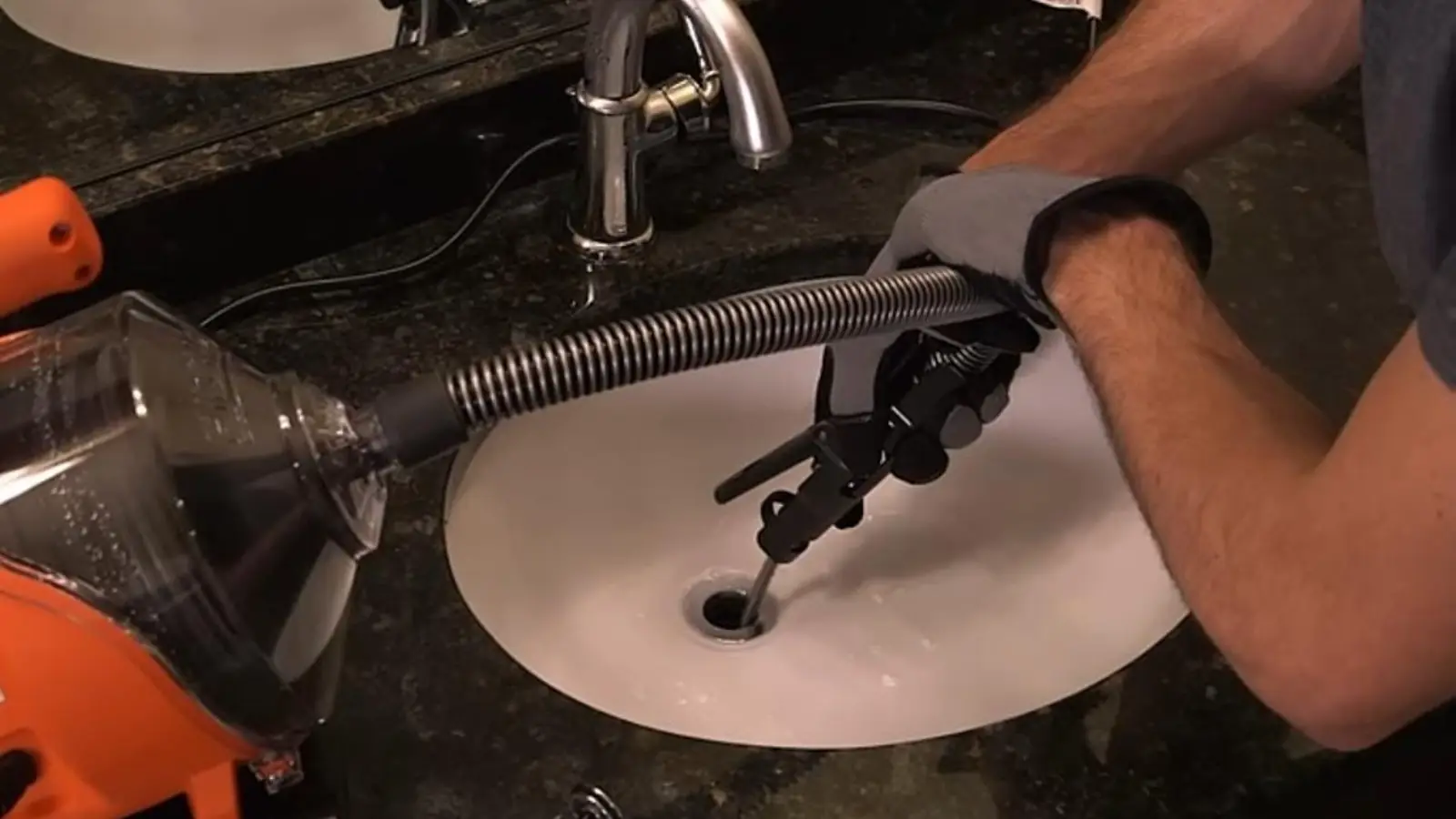
For a kitchen clog we start at the sink trap, then run a small cable through the branch line to the point where it joins the main drain. If a double bowl sink drains slowly on both sides, the clog is usually past the tee. If only one side backs up, the problem is nearer the fixture.
Either way the pipe is cleared back to full diameter rather than poked through, because a hole punched in a grease plug closes again within weeks. If the disposal is part of the picture, our garbage disposal repair team can look at it in the same visit.
Cable, camera or jetter: matching the tool to the clog
Different blockages need different tools. This is how we decide on site, based on what the first pass of the cable brings back.
| Situation | Tool we reach for | Why |
|---|---|---|
| Slow single sink or tub | Hand or small drum cable | Reaches the trap and branch line quickly with little disruption |
| Grease and soap buildup in a kitchen line | Cable with a cutting head, then flush | Scrapes the pipe wall instead of poking a hole in the plug |
| Several fixtures backing up together | Larger machine through the cleanout, camera to follow | Main line blockage that needs a full-size cutter and a look at the pipe |
| Roots, scale or a clog that returns within weeks | Hydro jetting after a camera check | Water at high pressure scours the pipe wall, which cable cannot do |
A camera pass after clearing a main line shows whether the pipe is sound. If it shows a crack or a belly, see our sewer line repair page for the next step.
Reading the symptoms before the cable goes in
Where a drain complains tells us a lot. One slow fixture points to a local clog. A tub that gurgles when the toilet flushes suggests the shared branch is restricted. Water pooling around a basement or ground-level floor drain after the washer drains points to the main line, and so does a toilet that bubbles when you run a faucet elsewhere in the house.
Speed matters as much as location. A drain that has been slowing over months is usually collecting grease or hair. A drain that failed in a single evening is more often a foreign object, a collapsed section or a root mass that finally closed the last gap. We ask about timing on the phone so the right machine is on the truck before we arrive.
Drain snaking and cabling, in plain terms
Snaking is the everyday word for running a flexible steel cable with a cutting head through the pipe. The cable spins, the head chews through the obstruction, and the spoil is pulled back or washed ahead into the larger line. It is effective on hair, soap, paper and most grease, and it is the fastest way to restore flow in a single fixture.
It has limits. Cable cannot scrub a pipe wall clean along its whole length, and it will not remove heavy mineral scale. If the cable meets a section it cannot pass, or the same line clogs again soon after, we say so and recommend a camera inspection instead of billing repeated visits for the same symptom.
Drain line leaks and slow seepage
Sometimes the complaint is not a clog but a leak in the drain itself. A wet cabinet under a sink, a stain on a ceiling below an upstairs bathroom or a damp patch on a basement wall after a shower can all point to a drain leak.
The cause is often a failed slip joint, a cracked trap or a pipe that has come apart behind a wall. None of these is a clog. We trace the stain to its source, repair the failed piece and check the line for a clog that may have forced water past the joint.
What to have ready when you call
A few details speed up the dispatch and help the technician bring the right equipment on the first trip.
- Which fixtures are slow or backing up, and since when.
- Whether any toilet, tub or floor drain has overflowed.
- Whether the house is on city sewer or a septic system.
- The age of the home and any earlier drain work you know about.
- The location of the cleanout, if you have found it.
Drain backing up right now?
The emergency line is open nights, weekends and holidays. Same-day appointments are offered when the schedule allows.
What affects the cost of drain cleaning
We give a clear price before work starts. These are the factors that move the number.
Homeowners insurance usually covers sudden water damage from a backup only when an endorsement is on the policy, and many policies exclude the clog itself. Ask your insurer before you call, and keep the invoice. Want your real number? Call (208) 679-8357. Traps, vents, slopes and cleanouts follow the Uniform Plumbing Code (UPC) that the Idaho plumbing code is built on.
Why winter changes the calls we get
North Idaho winters send people indoors and into the kitchen, and holiday cooking is when grease lines fail. Cold snaps matter too.
In January 2024 a hard freeze sent Kootenai County Fire and Rescue to more than 100 weather-related water calls in one week, many of them broken pipes in Post Falls buildings. Drain lines in unheated crawlspaces and exterior walls can freeze and block even when nothing is cracked, so a drain that stops during a cold spell may be ice rather than grease.
If you suspect a frozen drain, do not pour boiling water into it. Sudden heat can crack a cold pipe. Call us and we will thaw it safely and check whether the pipe split. For a frozen supply line instead, see our burst pipe repair guidance.
Drain cleaning questions from Post Falls homeowners
The price depends on where the clog is, how much access we have and which tools the job needs. A single fixture is the low end and a main line with a camera inspection is the high end. We quote a clear price before work begins, and the number you approve is the number on the invoice.
Yes. The emergency line is answered around the clock, including weekends and holidays. When sewage is backing up or water is rising in a basement, call right away and we will dispatch a licensed plumber.
We advise against it. Caustic cleaners can sit in a blocked line, soften or damage older pipe, and splash on whoever opens the trap. If you already poured some, tell the plumber when they arrive so they can wear the right protection.
If more than one fixture is slow, if a lower drain gurgles when an upper fixture runs, or if water comes up in a tub or floor drain, the blockage is usually past the branch lines. A single slow sink is almost always local.
A cable opens a path through the clog but does not clean the pipe wall. If the line is coated with grease or has roots or scale, flow returns for a while and then closes again. A camera inspection and hydro jetting address the cause.
We work with tenants, property managers and business owners. For shops and restaurants see our commercial plumbing page, since grease interceptors and floor drains need their own approach.